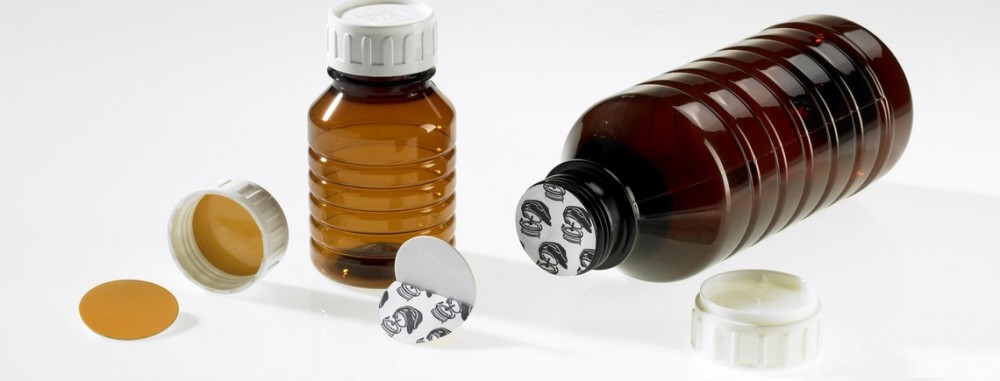
The SealerOn™ 3000 is typically rated for Flat Caps of Diameter 20 mm to 120 mm traveling on a conveyor at speeds up to 20 Meters (60 Ft) per minute. The Actual Speed needs to be determined with the Cap, Lining Material and Bottle combination to hand. The Standard frame Allows the Sealing Head to be […]
Category Archives: Induction Sealing
Induction Sealing Statistics – How You Must Get The Right Cap and Lining Material Combinations
This discussion below is an excerpt of a client discussion we have prior to supplying equipment. We don’t have to do this; we could be like the ebay or Alibaba or “one stop every machine under the sun supplier” but we are not as we like to think of ourselves as a supplier invited to […]
Line Patrolman™ Unique Process Validation Tool for Induction Sealing
As a result of many unknown variables which may significantly impact sealing results of an induction machine, an induction sealing process validation is highly advised.
The sealing machine could be bumped on a small angle, a slight height adjustment might have been made, large bottle height variations, and conveyor speed variations can all drastically impact the induction sealing results.
Visual Inspections Process Validation for Induction Sealing
For properly trained operators, this process can be the best of all; in particular when they are competent exactly how induction foils look like when they have obtained the precise conditions for a good seal.
Some things to look for include:
a) A Concentric heat pattern in the foil; when you hold the foil to some light source with the accurate position you should observe a smaller sized circle where material was not heat affected. This implies the seal has heated externally then inwards in an even pattern; therefore a good seal.
b) Overheating – there are numerous of aspects to point out if there have been overheating including visual discolouration of one or more layers of the induction foil, bubbling or creasing, a flattening of the bottle neck, melting of a backing resealing foam (if there are any).
c) Unequal heat sealing; associated in some ways to (a) above; a foil can look nicely sealed but an unequal heat seal can result in aspects of the seal being too tightly “welded” or very lightly welded and more likely to “pop loose with some pressure on the side walls of the bottle/container.
So long as you have operators in each shift that happen to be properly trained in the above areas to consider, then the “subjectivity” of a visual process validation is reduced and the validation will hold more benefit.
2.0 Basic version – Linepatrolman™ Process Validation for Induction Sealing
Should you have doubts that you’re going to always have operators properly trained or experienced enough to cover what exactly is required for a

reliable visual process of validation for induction sealing then there is the straightforward option of a Linepatrolman™ which has no additional controls than a reset button.
This unit needs absolutely no programming and simply provides an built-in count of the energy seen by the testing cell moving about the same path as the products.
The Benefel site has a good animation of the Linepatrolman™
In this animation, the count gets up to “50”. If that reading worked for the last batch and was verified being a good reading by a very comprehensive visual assessment (as well as some leak screening), operators would look to obtain equivalent readings in next production runs of the same product.
Many organisations need an induction sealing measurement since the whole process is a time and position dependent. When there is speed variance as the product passes through the induction machine the outcome is likewise different. For an operator a 10% alteration of the speed of a product conveyor may not be found. To an operator a 1mm height adjustment of the sealing head most likely is not noticed or a 5 degree angle difference in guide rails could possibly be missed. The induction sealing setting on the induction sealing machine may not have changed at all, but the sealing effects would have changed considerably!
The Line Patrolman™ is a unique process validation device that can pick up changes in energy transfer in what may seem like an identical set-up to the last time an induction machine has been operated. This eliminates guess work on the energy transfer and give confidence that the machine is set to the ideal settings.
Process Validation for Induction Sealing
Because there are unseen factors that can significantly affect the sealing performance of an induction it is always recommended to have induction sealing process validation.
The sealing machine may be bumped on a small angle, a slight height adjustment might have been made, large bottle height variations, and conveyor speed variations can all significantly impact on the induction sealing results.
Visual Inspections Process Validation for Induction Sealing
Actually, this method can be the best method of all; especially when you have well-trained operators experienced in what induction foils look like when they have received the correct conditions for a good seal.
Some things to look for include:
- A Concentric heat pattern in the foil; if you hold the foil to a light source at the correct angle you should see a smaller circle where material has not been heat affected. This means the seal has heated from the outside inwards in an even pattern; hence an even seal
- Overheating – there are a number of factors to show if there has been overheating including – visual discolouration of one or more layers of the induction foil, bubbling or creasing, a flattening of the bottle neck, melting of a backing resealing foam (if present)
- Uneven heat sealing; linked in some ways to a) above a foil can look well sealed but an uneven heat seal can result in areas of the seal being too firmly “welded” or very lightly welded an likely to “pop loose with a little pressure on the side walls of the bottle/container
Provided you have operators in each shift that are well trained in the above areas to look for then the “subjectivity” of a visual process validation is reduced and the validation will hold more merit.
2.0 Simple version – Linepatrolman™ Process Validation for Induction Sealing
If you have doubts that you will always operators trained or experienced enough to cover what is required for a reliable visual process of validation for induction sealing then there is the simple option of a Linepatrolman™ which has no more controls than a reset button.
This unit needs no programming and simply provides an integrated count of the energy seen by the testing cell passing down the same path as the products.
The Benefel web site has a good animation of the Linepatrolman™
In this animation the count gets up to “50”. If that reading worked for the last batch and was confirmed to be a good reading by a very thorough visual inspection (and some leak testing), operators would look to obtain similar readings in subsequent production runs of the same product.
A reason that many need an induction sealing measurement is because the energy transferred by an induction sealing machine to the foil of an induction seal within a cap is a time and position dependent process. If for any reason the product passes through the induction machine at a different speed, the induction sealing result will be different. To an operator a 10% change in the speed of a product conveyor may not be noticed. To an operator a 1mm height adjustment of the sealing head may not be noticed or a 5 degree angle change in guide rails may be missed. The induction sealing setting on the induction sealing machine may not have changed at all, yet the sealing results could have changed significantly!
The Line Patrolman™ is a unique process validation tool that will pick up variations in energy transfer in what may look like an identical set-up to the last time an induction machine was run. This tool takes way the guess work on what energy is being transferred and provided operator confidence that the machine is set to the best it can be set.
SealerOn™-100 Affordable Entry Level Induction Machine
The development of SealerOn™-100 is brought about by the need to produce safe and affordable induction machine for entry level businesses with low volume production requirements and with low budget consideration. With CE safety certification for LV and EMF which is frequently lacking with almost all other low cost sealing machines, this certification is truly […]